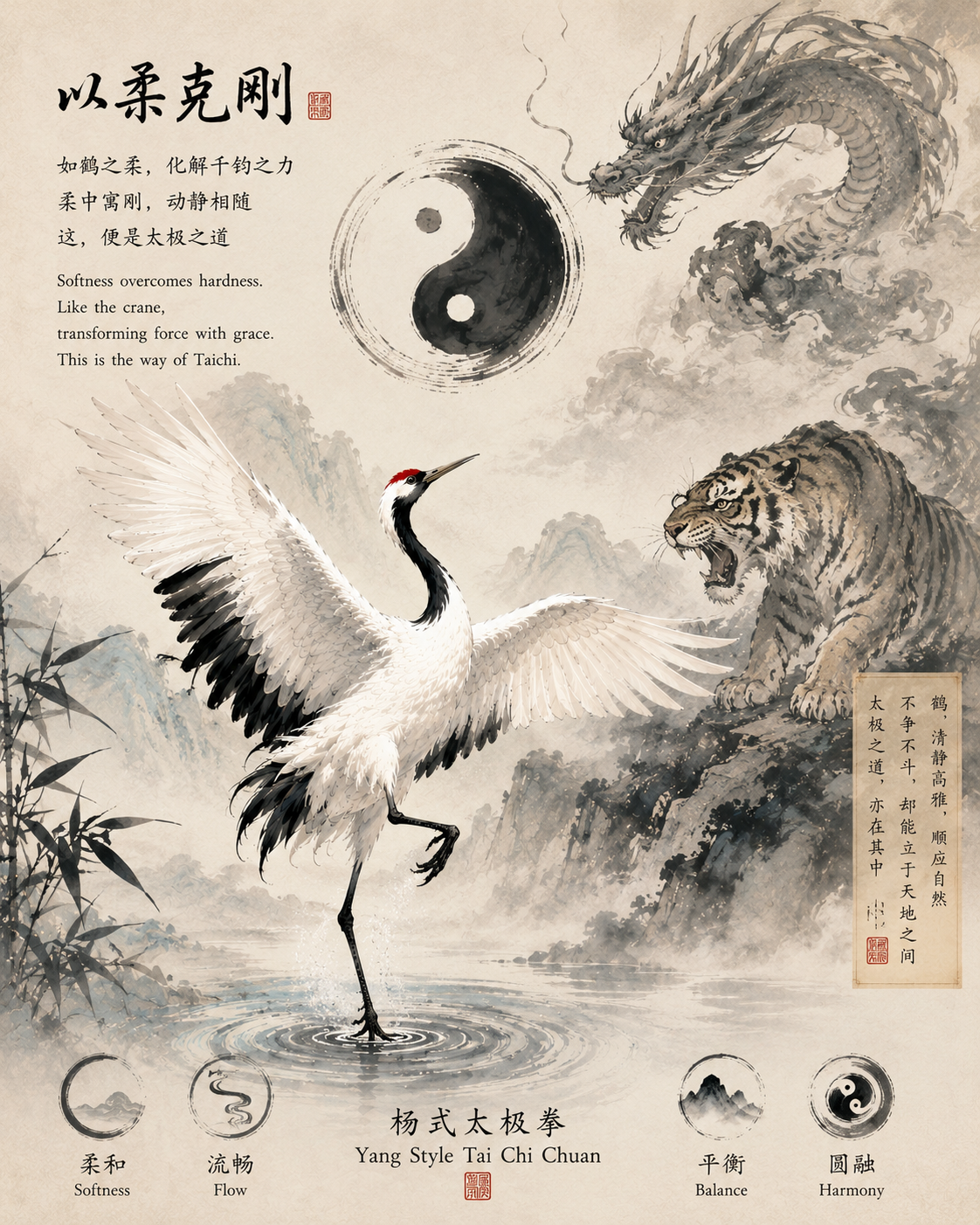
The White Crane in Chinese Culture
The white crane (白鹤, Bái Hè) is one of the most important symbolic animals in Chinese culture. It represents elegance, longevity, balance, wisdom, spiritual refinement, tranquility and immortality.
In traditional Chinese art, poetry, Daoist philosophy, and martial arts, the white crane is admired for its calm presence, graceful movement, and effortless power. Unlike aggressive animals such as the tiger or dragon, the crane symbolizes softness overcoming hardness — a principle deeply aligned with Yang Style Tai Chi.
Yang Style Tai Chi
Tai Chi, also written as Taijiquan(太极拳), is a traditional Chinese internal martial art that combines slow, flowing movements, controlled breathing, balance training, and mental focus. Among the many branches of Tai Chi, Yang Style Tai Chi is the most popular and widely practiced around the world.
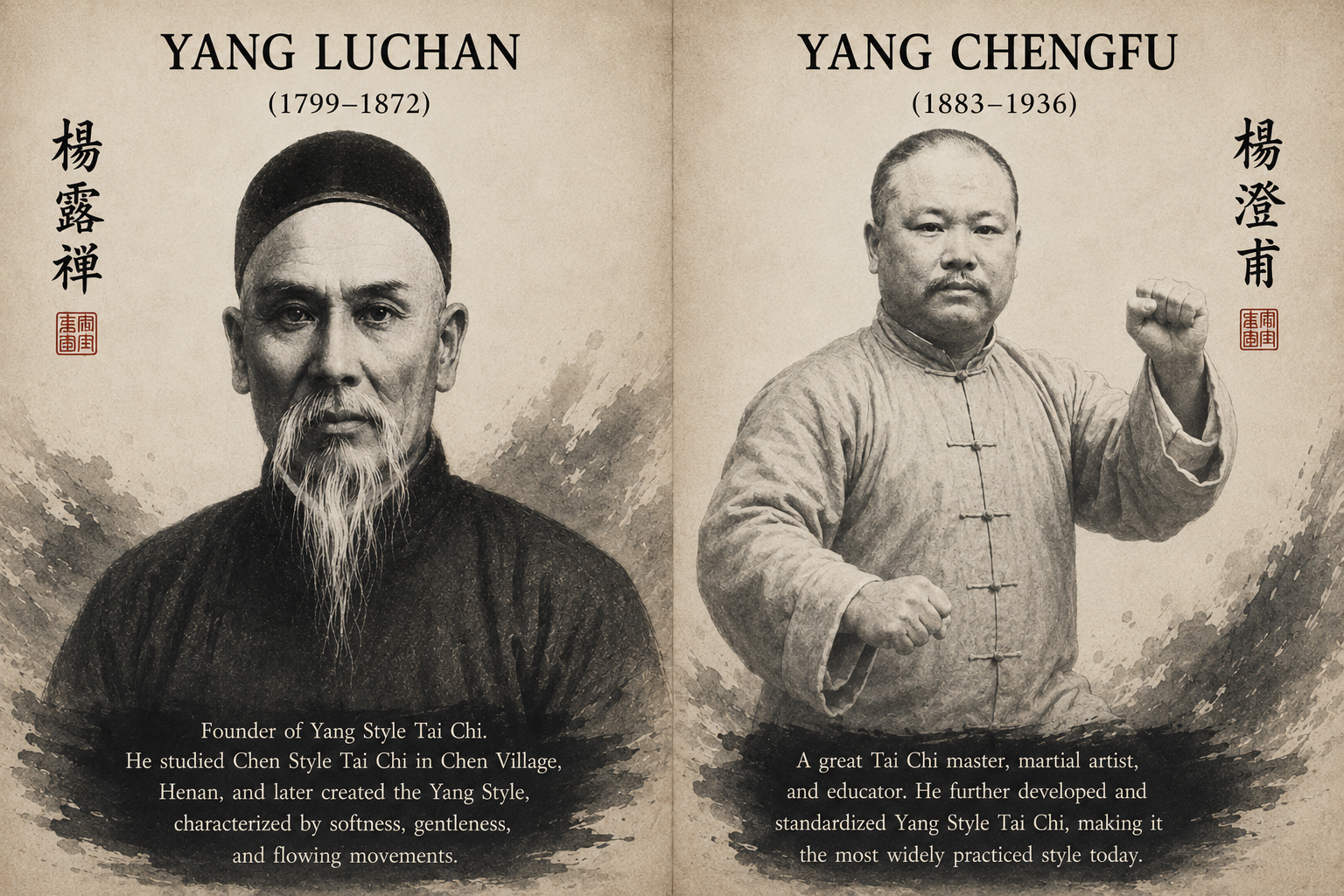
Yang Style Tai Chi was founded in the 19th century by Yang Luchan, who studied the older Chen Style in Chen Village, China. He later adapted the art to create movements that were smoother, more open, and more accessible to a wider range of practitioners. His descendants, especially Yang Chengfu, further refined and standardized the style into the form most commonly practiced today.
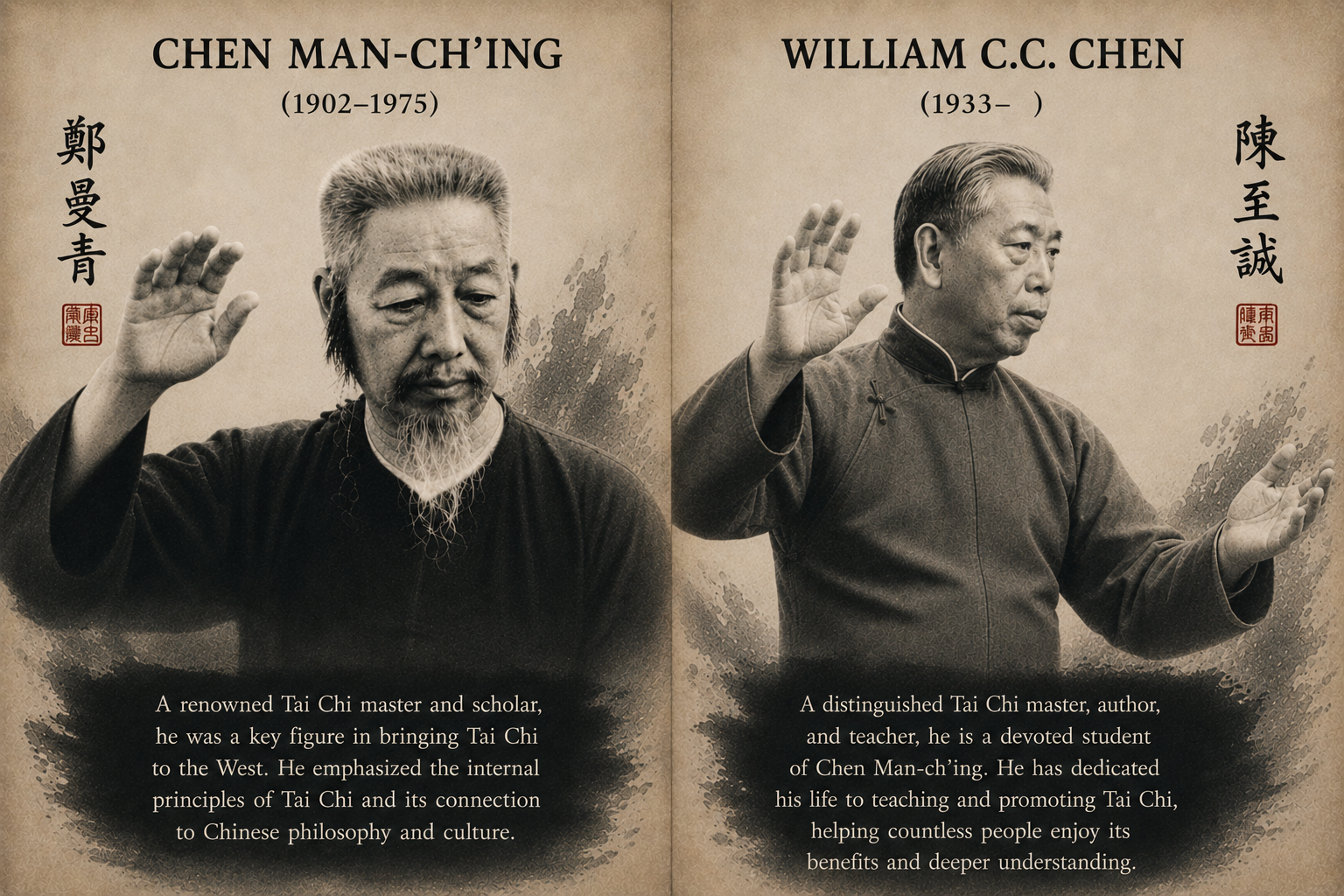
Grand Master William C. C. Chen is part of the direct lineage of Yang Chengfu, one of the most influential masters in the history of Yang Style Tai Chi. William C. C. Chen studied under Professor Cheng Man-ch’ing, a senior student of Yang Chengfu who helped bring Yang Style Tai Chi to the modern world. Through this lineage, Grand Master William C. C. Chen preserves and teaches the traditional principles, forms, martial applications, and internal training methods passed down from Yang Chengfu’s teachings.
Main Benefits of Practicing Tai Chi
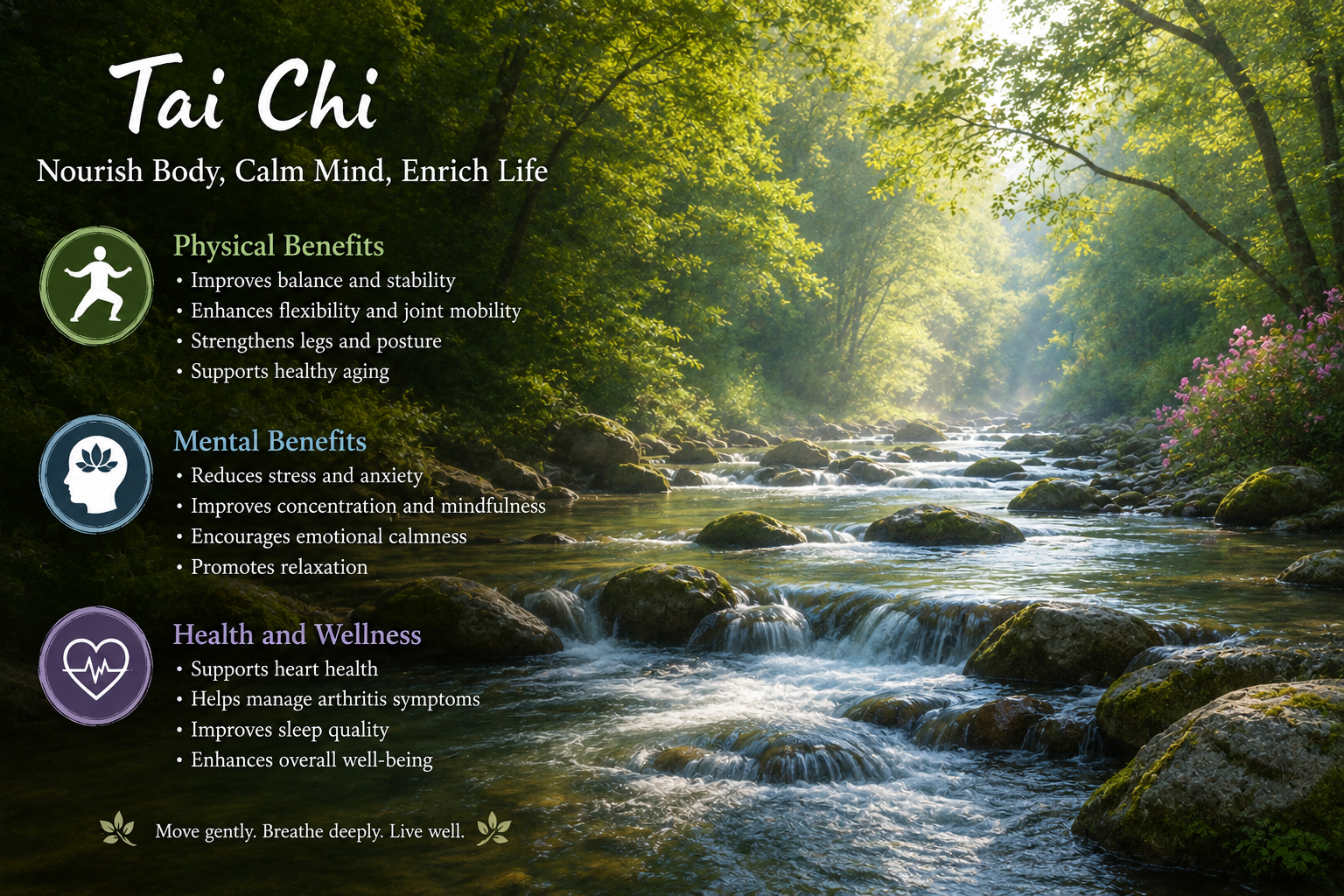
People practice Yang Style Tai Chi will gain multiple benefits such as Physical Benefits, Mental Benefits, and Health and Wellness.
Physical Benefits
Practicing Tai Chi will improve balance and stability, enhances flexibility and joint mobility, strengthens legs and posture, supports healthy aging and develops body coordination.
Mental Benefits
Practicing Tai Chi can reduce stress and anxiety, improve concentration and mindfulness, encourage emotional calmness and promote relaxation through breathing and movement.
Health and Wellness
Many practitioners view Tai Chi as a moving meditation. Modern research has associated regular Tai Chi practice with improvements in fall prevention for older adults, arthritis symptom management, cardiovascular health, sleep quality and general well-being.
About The Instructor - Dennis Zhang
Dennis Zhang is a dedicated practitioner and instructor of Yang Style Tai Chi based in West Windsor, NJ. Since 2012, he has studied under internationally renowned Grand Master William C. C. Chen, one of the most respected teachers in the Yang Style Tai Chi tradition.
Over more than a decade of training, Dennis has developed extensive experience in traditional Yang Style Tai Chi forms, sword, push hands, and martial applications. He has actively participated in numerous Tai Chi competitions throughout the United States, earning gold, silver, and bronze medals in both forms and push hands divisions.
Dennis is a certified instructor authorized by Grand Master William C. C. Chen to teach:
Yang Style Tai Chi Forms
Tai Chi Sword
Push Hands
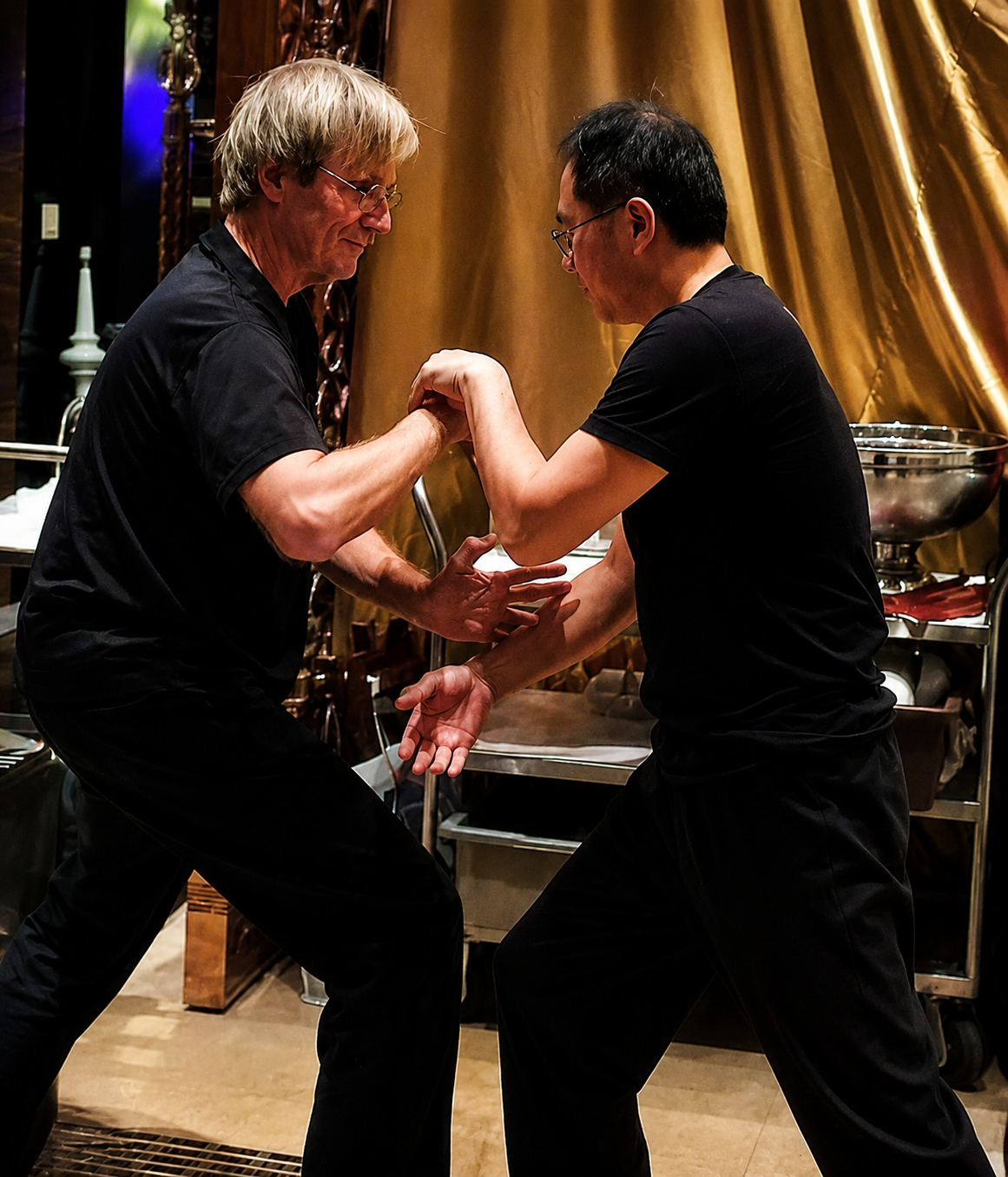
Sparring
His teaching emphasizes correct body mechanics, relaxation, balance, internal connection, and practical martial understanding while making Tai Chi accessible to students of all experience levels. Dennis is passionate about helping students improve health, mindfulness, coordination, and self-development through the practice of authentic Yang Style Tai Chi.